How to Send a Parcel Internationally from the UK
How to Send a Parcel Internationally from the UK: The Complete Guide
Sending a parcel overseas can feel overwhelming, especially if it's your first time. Customs forms, delivery options, packaging requirements, tracking, and shipping costs can quickly become confusing.
Whether you're sending gifts to family, important documents for work, or products to customers abroad, understanding how international shipping works can help you avoid unnecessary delays, extra charges, and damaged parcels.
This guide explains everything you need to know before sending a parcel internationally from the UK.
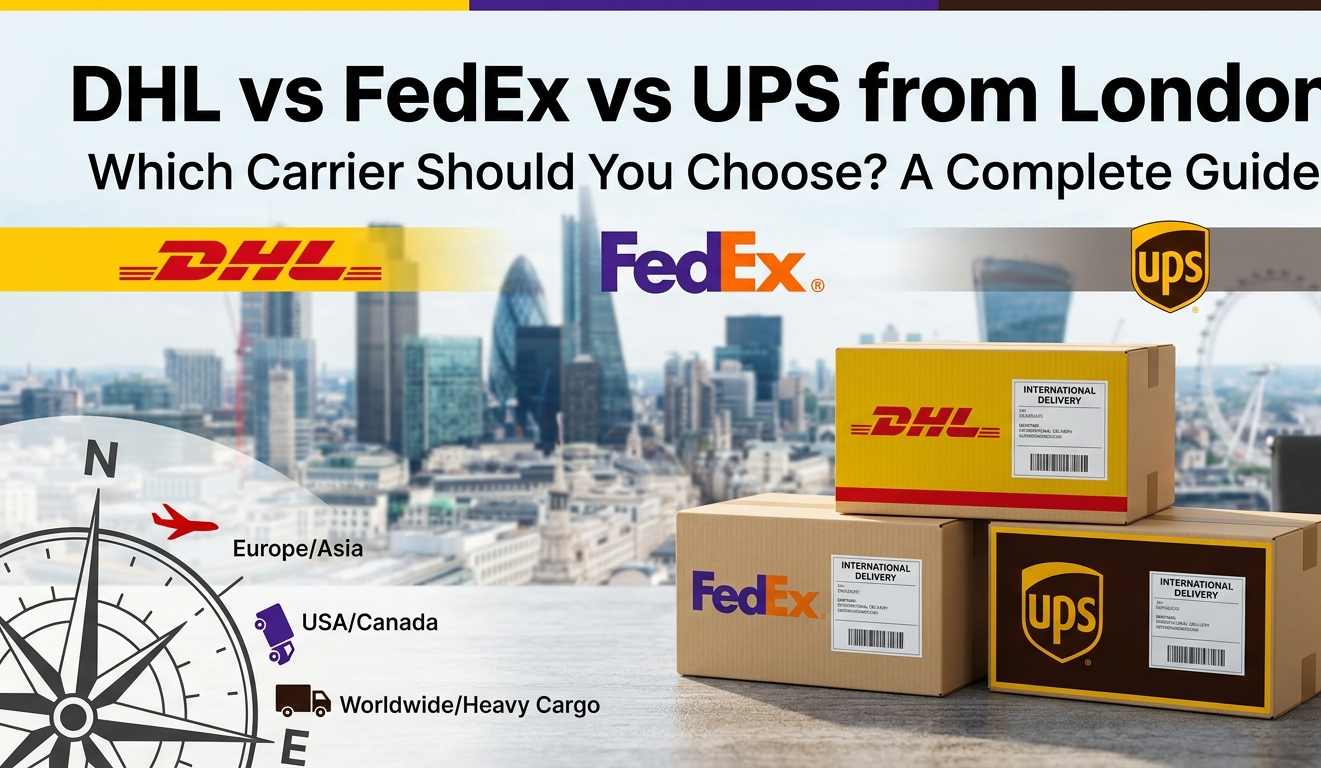
Step 1: Choose the Right Courier Service
Not every courier service is the best fit for every shipment.
Before booking your delivery, think about:
· Where your parcel is going
· How quickly it needs to arrive
· The parcel's weight and dimensions
· Whether the contents are fragile or valuable
· Your budget
· The level of tracking you need
For urgent deliveries, express services may be the best option. For less time-sensitive shipments, economy services can offer better value.
Step 2: Make Sure Your Parcel Is Packed Properly
Good packaging is one of the most important parts of international shipping.
During transit, parcels may be handled multiple times, loaded onto different vehicles, and pass through customs inspections.
To protect your shipment:
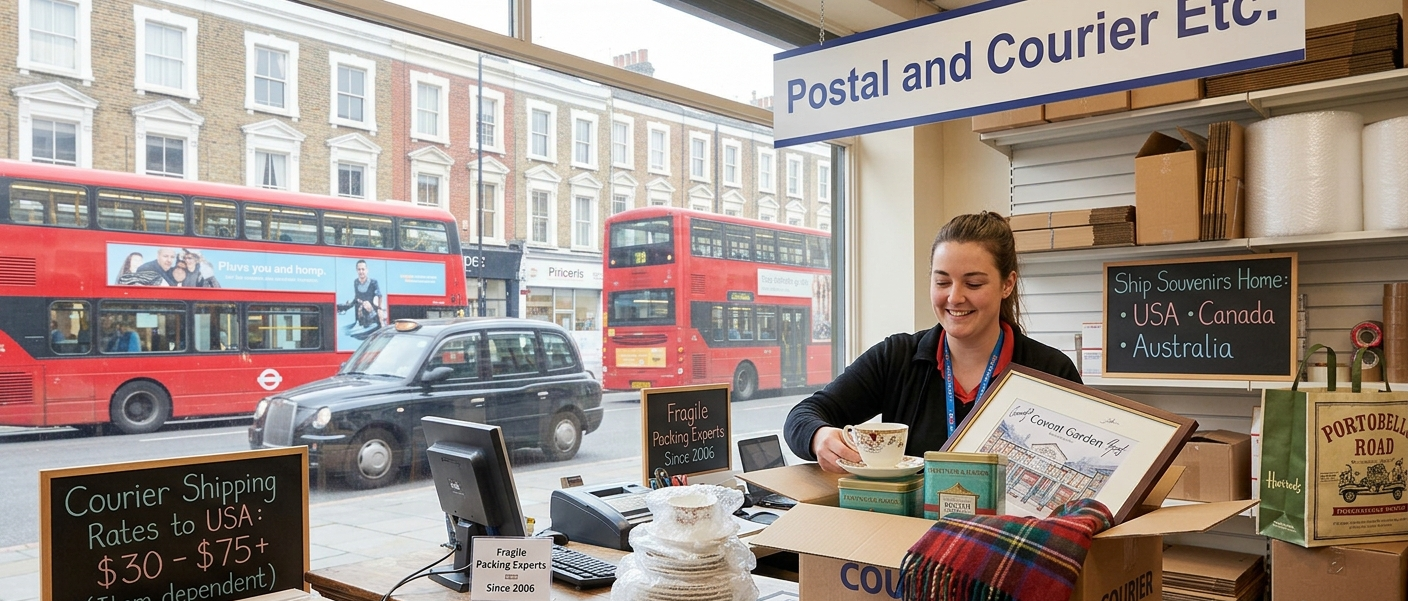
· Choose a sturdy cardboard box that matches the size of your item.
· Wrap fragile items individually.
· Fill empty spaces with cushioning material.
· Seal every opening with strong packing tape.
· Remove any old shipping labels or barcodes.
A well-packed parcel reduces the risk of damage and delivery issues.
Step 3: Understand Customs Requirements
International shipments often require customs documentation.
The information provided should accurately describe the contents of your parcel, including quantities and values where required.
Incorrect or incomplete customs information can result in delays, additional inspections, or returned shipments.
Before sending your parcel, check the destination country's import rules and any restrictions that may apply.
Step 4: Know What You Cannot Send
Every country has its own list of prohibited and restricted items.
Common examples include:
· Dangerous goods
· Flammable materials
· Certain batteries
· Aerosols
· Perishable food
· Some plants and seeds
· Certain medicines
· Counterfeit goods
Always check the latest guidance before preparing your shipment.
Step 5: Compare Delivery Options
Most courier providers offer several delivery services:
- Economy: Best for cost-conscious deliveries
- Standard: Best for everyday shipping
- Express: Best for time-sensitive parcels
- International Priority: Best for urgent overseas shipments
Choosing the right option depends on your budget and delivery deadline.
Step 6: Track Your Shipment
Modern courier services usually provide tracking throughout the delivery journey.
Tracking helps you:
· Monitor your parcel's progress
· Share updates with the recipient
· Confirm successful delivery
· Identify delays if they occur
Keeping your tracking number somewhere safe makes it easier to check your shipment whenever needed.
Step 7: Consider Additional Protection
If you're sending valuable items, consider whether additional protection or insurance is available and appropriate for your shipment.
Review the courier's terms carefully so you understand what is and isn't covered.
Step 8: Double-Check the Delivery Address
Many delivery problems are caused by simple addressing mistakes.
Before shipping, confirm:
· Recipient's full name
· Street address
· Postcode or ZIP code
· Country
· Contact telephone number
Taking a few extra moments to verify these details can prevent delays.
Common Mistakes to Avoid
Many international shipping problems are avoidable.
Try not to:
· Use weak packaging.
· Guess parcel dimensions.
· Forget customs documentation.
· Leave empty spaces inside the box.
· Reuse damaged packaging.
· Ignore destination restrictions.
· Enter an incomplete delivery address.
Avoiding these mistakes can make the shipping process much smoother.
Frequently Asked Questions
How long does international shipping take?
Delivery times vary depending on the destination, service selected, customs processing, and local delivery conditions.
Can I track my parcel?
Most international courier services offer parcel tracking from dispatch to delivery.
Do all international parcels go through customs?
Many international shipments are subject to customs procedures, although requirements differ by destination.
Can I send fragile items overseas?
Yes, provided they are packed securely using suitable protective materials.
Do I need to complete customs paperwork?
Many international shipments require customs information. The exact requirements depend on the destination and contents
Final Thoughts
International shipping doesn't have to be complicated.
By choosing the right courier service, packing your parcel carefully, understanding customs requirements, and preparing the correct documentation, you can reduce the risk of delays and help your shipment arrive safely.
If you're unsure which shipping option is best for your destination, speaking with an experienced courier specialist can help you compare available services and choose the most suitable solution for your needs.